
The changes required by the EU Pay Transparency Directive will enter into force in Finland at the turn of the year. The aim is to strengthen pay transparency and encourage employers to review their own pay systems. The purpose of this is to identify and correct issues such as unexplained pay gaps between genders, which are a particular problem for women with higher education degrees.
The Pay Transparency Directive, adopted by the European Union in 2023, was due to enter into force in June this year, but Finland and many other member states are behind schedule. The requirements of the Directive will be implemented in Finland by amending the Act on Equality between Women and Men: in September, the Government submitted a legislative proposal to Parliament, which is now under consideration. The legislative amendments are scheduled to enter into force at the turn of the year.
Employees’ central organisations have criticised the legislative proposal and consider that some of the changes fall below the minimum level required by the Pay Transparency Directive.
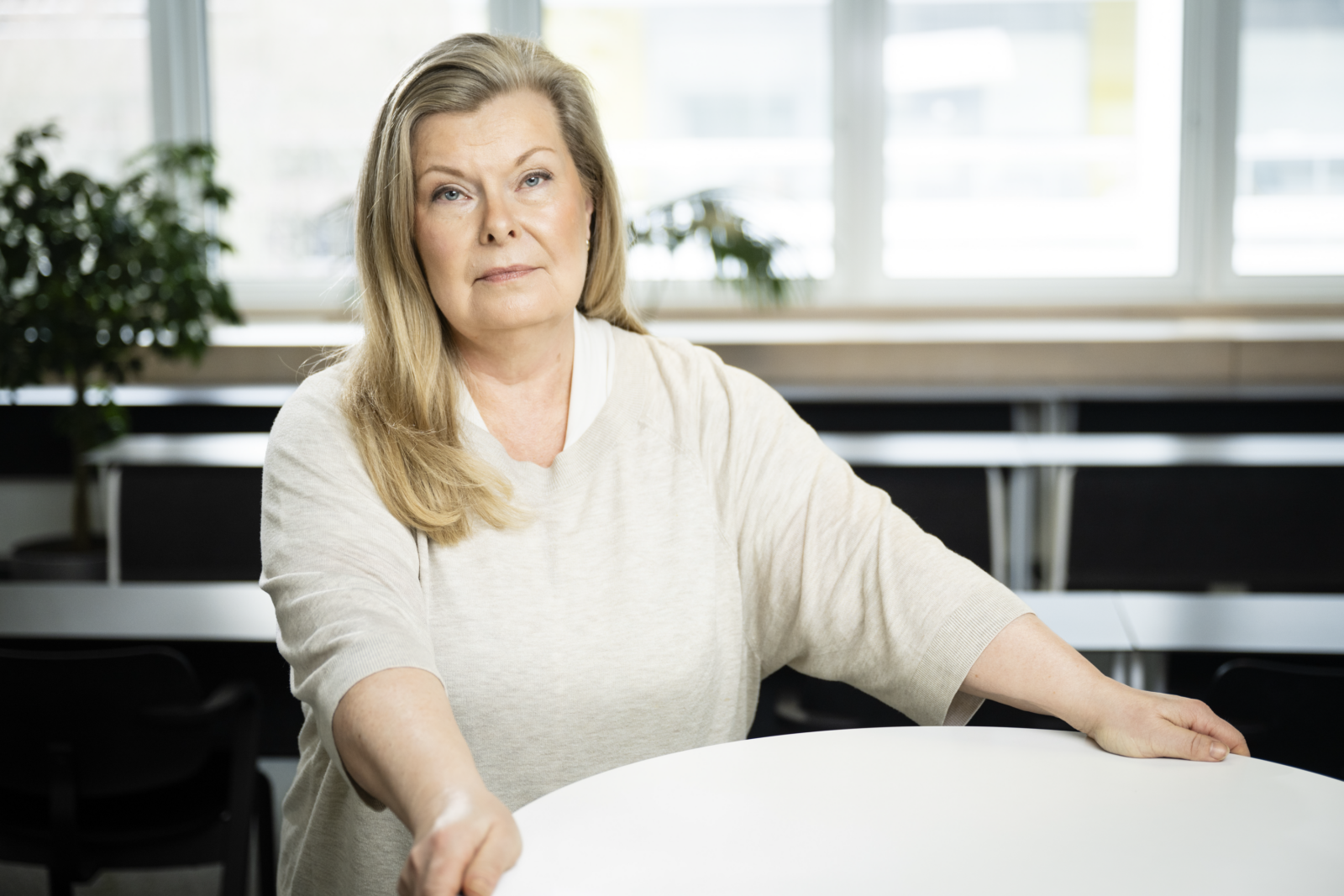
“The wording of the legislative proposal still leaves certain matters related to the employer’s responsibility unclear and dependant on future case law,” says Lotta Savinko, Equality and Work Environment Manager at Akava.
One of the key concepts of the Directive is the definition of equal work and work of equal value. The criteria used in assessing equal value are skills, effort, responsibility and working conditions. Other indicators can also be used if the nature of the work so requires. Pay criteria must be clear, transparent, objective and gender-neutral.
“The employer is responsible for making sure that the workplace has a pay structure that can be used to ensure equal pay for equal work and work of equal value.”
Salary tables cannot be derived directly from the Directive or the law. However, the employer is required to ensure that the pay systems in use make it possible to compare salaries for equal work and work of equal value.
MORE TRANSPARENCY, MORE INFORMATION FOR EMPLOYEES
The opportunities of personnel representatives to receive information and exert influence will be strengthened. They will receive information on pay gaps between employee groups, be able to request further clarifications on the reasons for them and, if necessary, participate in correcting unjustified pay gaps.
“This reflects the central idea of the Directive: employers must critically review their own pay systems and make the pay criteria more transparent to the personnel as well. This will make it possible to identify and address any unjustified pay gaps,” says Savinko.
Employees will have the right to receive information on the average salaries of those who do equal work and work of equal value. The information must be provided by gender no later than two months after the request.
“If you are wondering whether gender discrimination is reflected in the salaries of your own workplace but do not want to ask your employer for the salary information, you can ask the personnel representative to do it on your behalf,” says Savinko.
Equal pay is promoted as early as in the recruitment phase. The employer must indicate the level of the starting salary in the job posting by either giving the exact amount or the salary range. In addition, the employer is prohibited from asking how much salary the jobseeker has received in their previous jobs.
“This is a step forward and will contribute to setting starting salaries straight. Personnel representatives should be careful and follow how well the employer starts to comply with the legal requirements.”
Employers employing 100 people or more will be required to report their salaries to the Ombudsman for Equality. The reports must be submitted every three years. For workplaces with at least 250 employees, the reports must be submitted annually. If the reports reveal a pay gap of more than 5 per cent between genders for which no acceptable reasons can be found, the employer must correct the matter in cooperation with the personnel representatives.
AN INDIVIDUAL’S SALARY WILL NOT BE PUBLISHED, PAY GAPS WILL NOT BE PROHIBITED
There are many misconceptions about the Pay Transparency Directive and the impacts of its implementation. One of the most common ones is the statement “everyone’s salaries will become public”. Even though the Directive and the Government’s legislative proposal will increase employees’ rights to receive information, the principles of data protection will be adhered to.
“When information is given about the average salary level of a job, it must not indicate the salary of any individual person. If there are fewer than five employees in a certain group, the salary information can only be provided to the personnel representative or the Ombudsman for Equality.”
There is also the misconception that the aim is pay harmonisation and reducing pay gaps.
“That is not the case. It will still be possible to pay different salaries for the same job, and individual compensation will also be possible. However, the justifications must withstand scrutiny and comply with the Directive. In other words, they must be objective, gender-neutral and impartial,” says Savinko.
FLAWS IN THE PAY SYSTEM CAN LEAD TO DISCRIMINATION
In Finland, women’s salaries are 86 per cent of men’s salaries on average. The difference is partly explained by the fact that men and women work in different industries and sectors and partly by the so-called unexplained pay gap.
“In Akava’s branches, this unexplained pay gap in similar tasks is particularly high,” says Savinko.
The pay systems in use are gender-neutral. However, they may have structural distortions and discriminatory elements that cause an unequal outcome – which means that they may maintain the unexplained pay gaps that are repeatedly revealed in surveys. Savinko describes a typical situation:
“Over time, a situation may have developed at a company where job level x is male-dominated and there are more women at job level y. Technical competence is emphasised in one group while psychosocial interaction is emphasised in the other group. The demanding nature of the work has been examined in different ways, even if there are no objective grounds for doing so. However, no attention has been paid to the matter and the criteria have not been updated in years.”
For example, in 2019, Nokia reviewed the salaries of its employees globally and identified unjustified pay gaps between genders, which were corrected.
“Approximately 90 per cent of the salary adjustments were targeted at women.”
SENIOR SALARIED EMPLOYEES ARE IN FAVOUR OF PAY TRANSPARENCY
Senior salaried employees strongly support pay transparency. Their opinions have been investigated in YTN data, which is an annual summary of the YTN affiliates’ own member surveys.
In the 2025 survey, 74 per cent of the respondents believed that they would personally benefit from transparency. 66 per cent also believed that the employer would benefit. More than 80 per cent were willing to tell about their salary openly.

“People trust pay systems but their structure is unclear. Many people don’t know how to influence their own salary and what causes pay gaps,” says researcher Tuunia Keränen.
Keränen believes that the views of senior salaried employees are in line with the basic idea of the Pay Transparency Directive.
“The respondents accept pay gaps, but they want to know what causes them. Pay transparency increases encouragement. Knowing what your salary consists of and what is expected of an employee increases work motivation.”
Text: Mikko Nikula
Photo of Lotta Savinko by Veikko Somerpuro
Photo of Tuunia Keränen by Jari Härkönen
Information on salaries and working conditions
YTN data compiles the labour market surveys of the Federation of Professional and Managerial Staff YTN’s member unions from the private sector. YTN data reviews the salaries and working conditions of experts and supervisors. Learn more in Finnish: YTN data