
Harmful stress in the work of highly educated experts has increased, and the risk of burnout has increased significantly. 52 per cent of the respondents to Akava’s survey and 46 per cent of the respondents in the private sector estimated their own risk of burnout to be high or somewhat high.
In the 2024 survey, 38 per cent of all respondents and 30 per cent of respondents in the private sector reported that their risk of burnout was somewhat high or high.
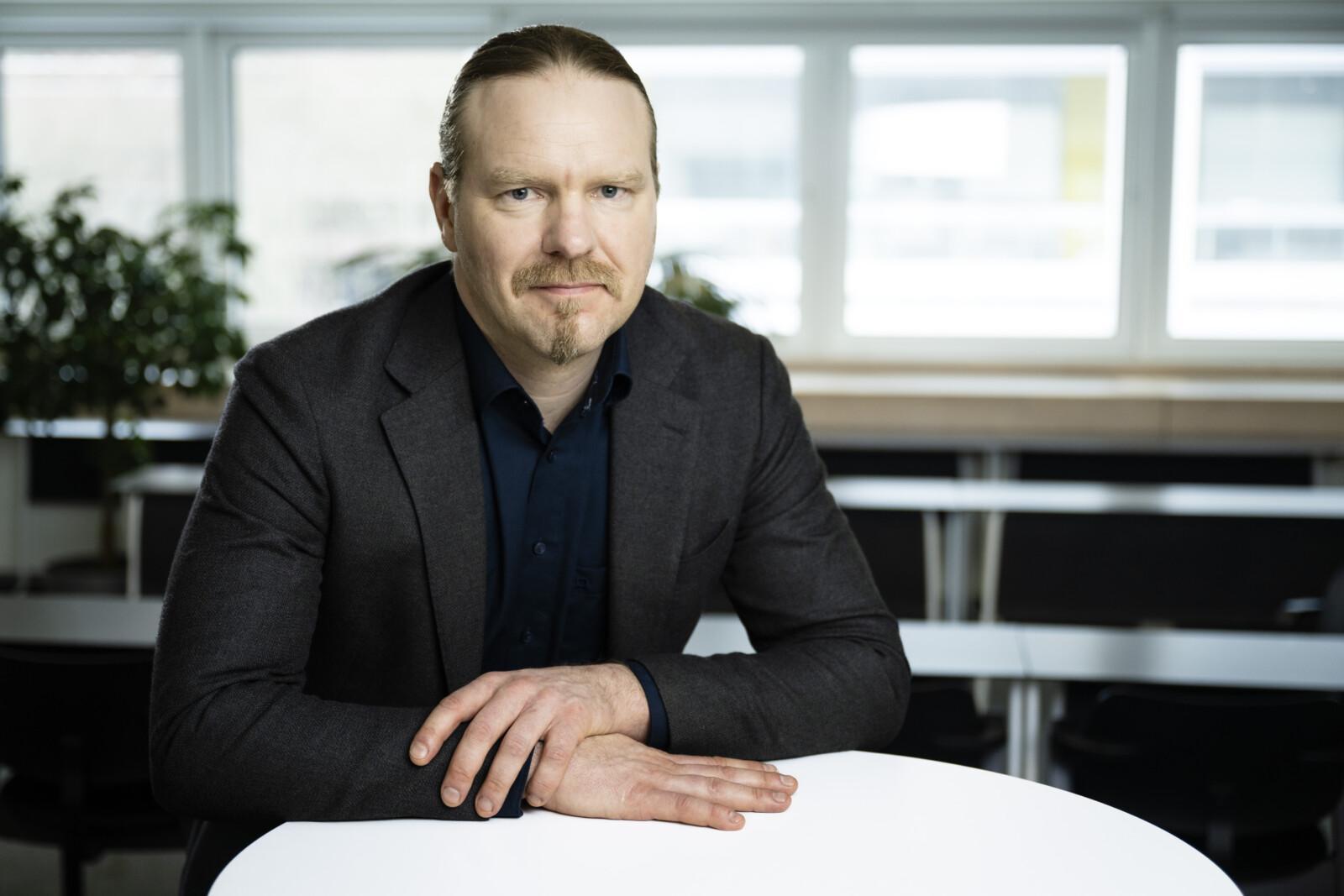
“It is a huge increase, there are rarely such major changes in such a short time,” says Senior Specialist Arttu Piri from Akava.
Women consider their risk of burnout more likely than men. 42 per cent of the male respondents and 51 per cent of the female respondents in the private sector considered their risk to be at least somewhat high.
However, approximately two thirds, or the vast majority, were at least somewhat satisfied with their work.
“The results may seem to be contradictory, but Akava members work in positions that they find to be meaningful and in branches for which they are qualified. This is why the members can feel satisfied with the content of their work, even if the strain of the work is at an alarming level due to the workload, for example,” says Piri.
The results are based on Akava Works’ Working Conditions survey, which investigated the workload and working methods of highly educated experts. The survey is carried out every two years. This year, approximately 4,000 respondents from Akava’s various unions participated in the survey.
THE LEADERSHIP STYLE DOES NOT SUPPORT THE COPING OF THE PERSONNEL
The rapid increase in the risk of burnout is largely explained by turbulence and uncertainty in the labour market, says Piri. There have been many change negotiations and terminations of employment, and unemployment rates are high. The poor economic situation is reflected in the increased workload of those in employment.
However, the situation is also caused by problems in management. Management focusing on psychological factors and well-being at work would be particularly needed in difficult times. According to the survey, there is a shortage of such management.
“Approximately one quarter of all respondents completely disagree with the statement that management considers the psychological health of employees as important as performance. Only 12 per cent completely agreed with the statement. The respondents feel that psychosocial health is not a premise of management, which is an eye-opening finding,” says Piri.
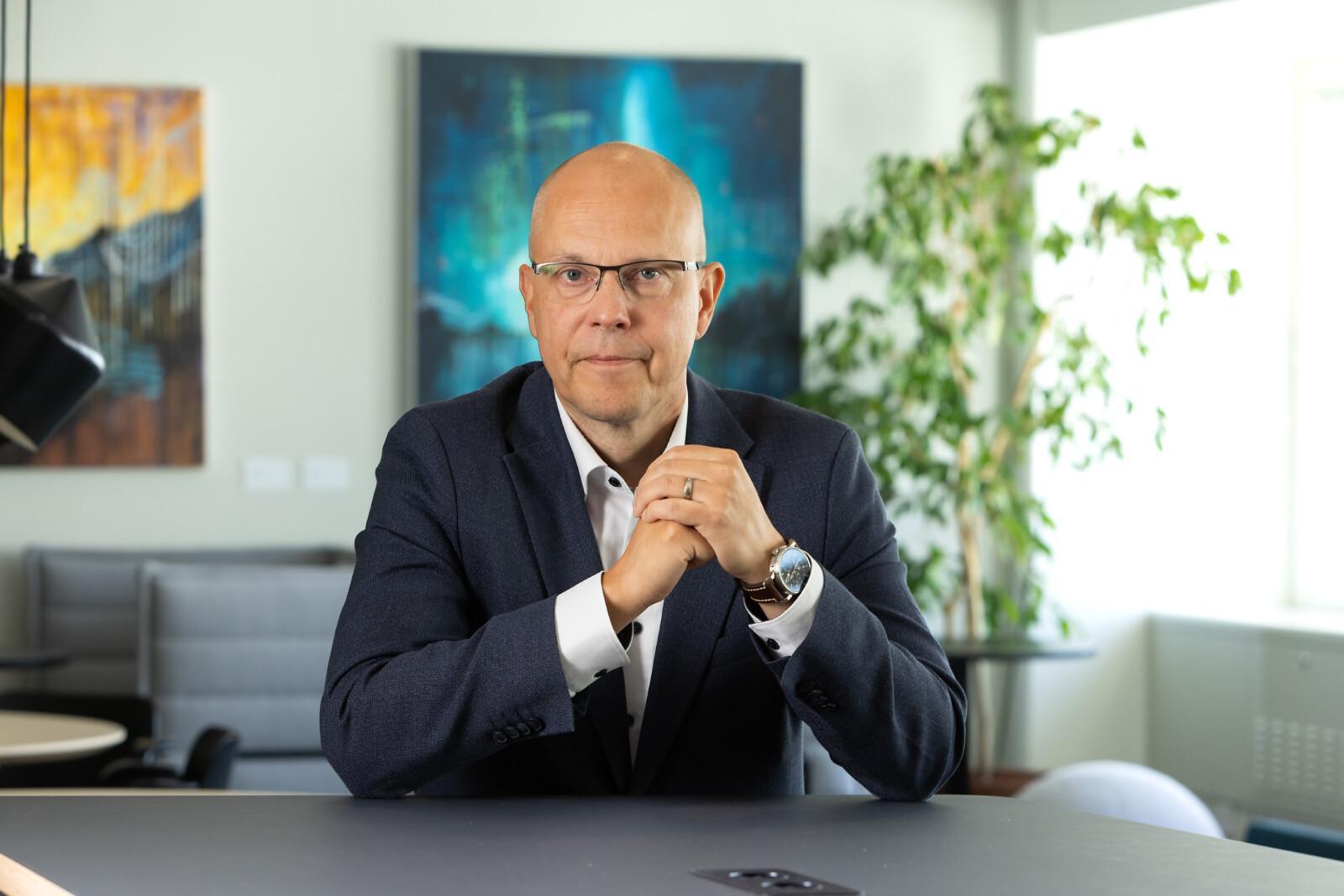
Teemu Hankamäki, Chair of YTN, wonders whether there is a connection between the risk of burnout and extensive remote work.
The methods and practices of management may not have kept up with the changed situation.
“During the way of working before the coronavirus pandemic, the supervisor probably had a better opportunity to detect and understand the possible risk of burnout of their subordinates, meaning that their ability to work was easier to see.
Although the respondents felt that the psychological health of employees was not valued, they were mostly satisfied with the other aspects of management. 53 per cent of the respondents in the private sector completely agreed and 28 per cent of the respondents in the private sector somewhat agreed with the statement “my supervisor treats their subordinates fairly,” for example.”
PREVENTION OF PSYCHOSOCIAL STRESS TO THE LAW
The factors that cause harmful stress in expert work can be divided into four categories, says Arttu Piri. These include rush, uncertainty at work, working time extending to free time and working environment factors.
“The main causes of rushing are schedules that are too tight, doing many things at the same time and continuous interruptions of work. 61 per cent of the respondents in the private sector felt that doing several things at the same time causes them harmful stress.”
Occasional rushing when working is normal, but there are limits to a person’s ability to work under pressure.
“When a certain harmful limit is exceeded, work starts to pose health risks.”
Working outside working time is a typical phenomenon specifically in expert work. One of the factors contributing to this is the fact that there are a lot of work-related contacts during free time as well.
The reduction of harmful stress should be supported with a legislative amendment, says Teemu Hankamäki.
“The Occupational Safety and Health Act must be specified so that the employer has a clear obligation to prevent and manage the psychosocial stress of employees. In addition, a regulation is needed to further specify the stress factors related to the content and organisation of work and the functioning of the work community.”
THE MAJORITY WORK REMOTELY AND LIKE IT – “IT WOULD BE BEST TO BE FLEXIBLE ON BOTH SIDES”
Akava Works’ survey also examined how much remote and hybrid work the respondents do and how they feel about it. The majority of the respondents do at least some remote work. 30 per cent of the respondents in the private sector reported that they work remotely 1–2 days per week, while 20 per cent reported that they work remotely 3–4 days per week and 14 per cent reported that they work solely or almost solely remotely. Only 17 per cent did not work remotely at all.
The survey was conducted before major employers began tightening their remote work policy. For example, the OP Group announced in September that employees must be in the office at least half of their working time.
According to Chair Hankamäki, supporters of remote and on-site work both have valid justifications.
“Employers must have some idea behind these, but they should be able to explain why the changes are being made. What if someone has moved from Helsinki to Jyväskylä after getting used to the practice that 1–2 days per month in the office is enough? However, remote work has a lot of advantages and it has a positive impact on well-being at work and coping.”
On the other hand, advocates of remote work should take into account that the employee is part of the work community that may have collective needs towards the individual.
“If you always work from home like a freelance entrepreneur, are you part of the community anymore? There is value in the members of the community meeting each other, and this aspect cannot be ignored,” says Hankamäki.
He emphasises internal dialogue and agreements in companies rather than the one-sided dictation of the employer.
“As a rule, it would be advisable to agree on remote work in writing and as part of the employment contract. This way, possible ambiguities could be avoided. Effective hybrid work with flexibility on both sides would be the best option.”
For the most part, agreements have worked: 65 per cent of the respondents in the private sector were very satisfied with the amount of remote work in their own employment relationship, and 56 per cent were very satisfied with the way the matter had been agreed on at the workplace.
COMPANIES MUST MAKE CHOICES

“Do organisations want their experts to stay in the workplace, or do they think they can find new ones to replace them? They must make a choice,” says Sirkku Pohja, a working life specialist in working life advocacy at TEK and YTN, commenting on the results of the Working Conditions survey.
The prevention of harmful stress is usually not possible without active measures.
“It takes work and perhaps a little money to find out what causes stress at your workplace.”
This is complicated by the fact that the Finnish work culture even idealises people who are constantly in a rush and have too much work to do. Pohja describes this as a “going down with your boots on attitude.” Better people management and involving the personnel could reduce the number of sick leave days that are expensive for the employer. For example, when planning efficiency measures in a difficult economic situation, it would be advisable to utilise the expertise of the personnel.
“When companies focus on survival, they forget that people create their result and know their job best. Senior salaried employees are highly educated and they can provide good solutions. Not all financial figures are secret.”
One concrete way to promote the well-being at work of experts would be a legislative amendment that would give senior salaried employees the right to elect their own occupational health and safety representative. The starting point of current legislation is that employees elect an occupational health and safety representative from among themselves, but salaried employees and senior salaried employees have a shared occupational health and safety representative.
“In some of the smarter organisations that understand the value of occupational health and safety, all personnel groups are allowed to elect their own occupational health and safety representative. In some places, even supervisors elect their own occupational health and safety representative. This can be recommended to all larger workplaces,” says Pohja.
Text: Mikko Nikula
Graphs: Akava Works Working Conditions Survey
Photo of Arttu Piri: Veikko Somerpuro
Photos of Teemu Hankamäki and Sirkku Pohja: Opa Latvala
“An occupational health and safety representative supports well-being and competitiveness at the workplace.” Mohammad Rostami Barouei, who works as an occupational health and safety representative in the consulting sector, explains more about the role. Read the article.
Learn more on our occupational safety and health pages.